

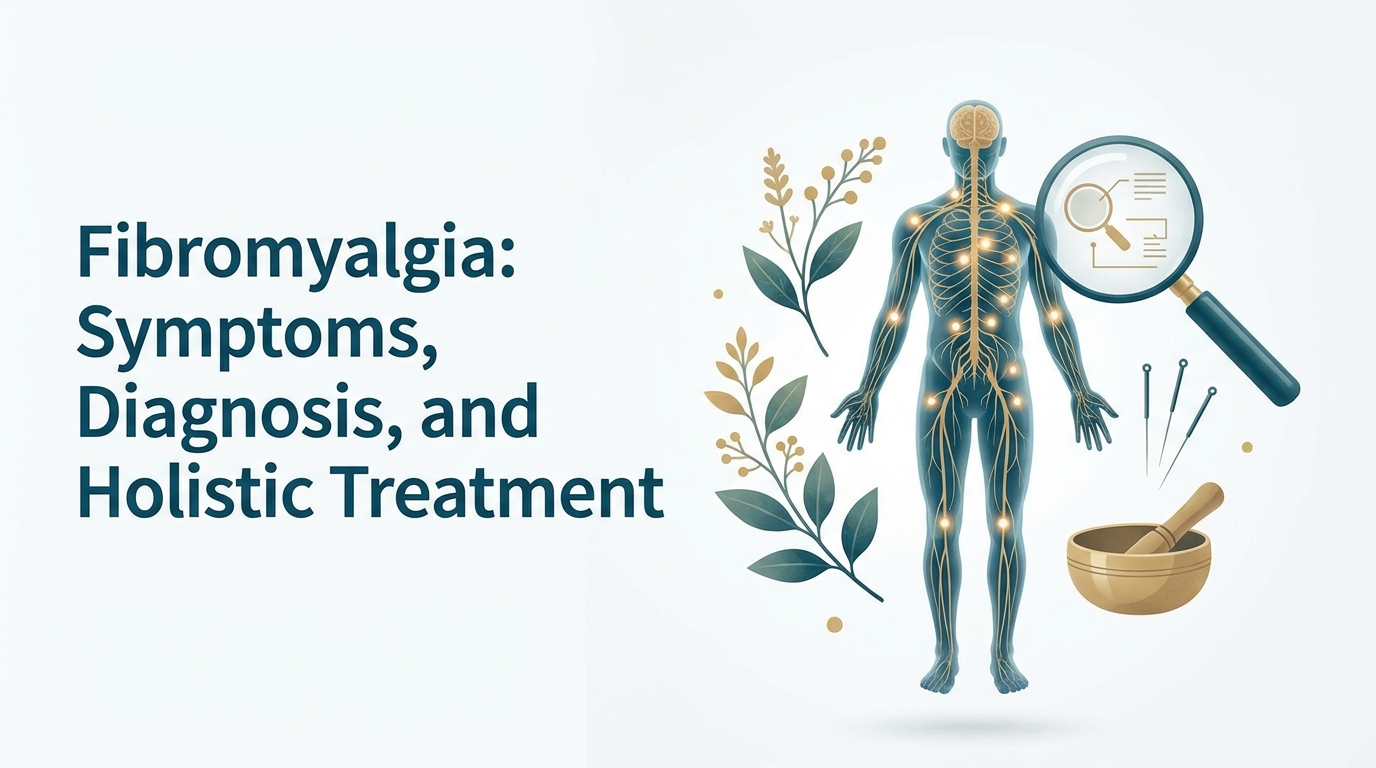
What is fibromyalgia?
Fibromyalgia – formerly also known as "soft tissue rheumatism" – is a chronic pain condition involving widespread pain in the muscles, tendon attachments and connective tissue. Unlike inflammatory rheumatic diseases, fibromyalgia shows no visible tissue damage or inflammation. Nevertheless, the symptoms are real and can significantly affect quality of life.
It is estimated that around 2–4% of the population in Austria are affected, with women more frequently than men. The condition usually first appears between the ages of 35 and 55, but can also affect younger or older people.
Fibromyalgia symptoms: more than just pain
The symptoms of fibromyalgia are varied and can differ greatly from person to person. The characteristic feature is the combination of pain, exhaustion and accompanying autonomic symptoms.
Typical main symptoms
- Widespread muscle and soft tissue pain in several body regions (back, neck, shoulders, arms, legs)
- Stiffness, especially in the morning or after sitting for long periods
- Tenderness on pressure at typical points (so-called tender points)
- Persistent tiredness and exhaustion (fatigue)
- Sleep disturbances and non-restorative sleep
Common accompanying symptoms
- Concentration and memory problems ("fibro fog")
- Headaches or migraine
- Irritable bowel symptoms
- Tingling or numbness in the hands and feet
- Sensitivity to cold, noise or light
- Low mood, anxiety
The diversity of symptoms often leads to those affected consulting various specialists over many years before the correct diagnosis is made.
Causes: an interplay of several factors
The exact causes of fibromyalgia are not yet fully understood. Current research suggests that altered pain processing in the central nervous system plays a central role – known as central sensitisation. This means pain stimuli are perceived more intensely.
Possible contributing factors or risk factors include:
- Genetic predisposition
- Chronic stress, physical or emotional strain
- Previous infections or injuries
- Hormonal influences
- Long-standing sleep disturbances
Diagnosis: careful assessment is crucial
As there is no single laboratory test or imaging procedure that can definitively confirm fibromyalgia, the diagnosis is based on a thorough medical history and physical examination. It is important to rule out other conditions with similar symptoms.
Diagnostic approach
- Detailed discussion about the nature of the pain, its course and accompanying symptoms
- Physical examination, including pressure points
- Laboratory tests to rule out inflammatory rheumatic diseases, thyroid disorders or vitamin D deficiency
- Imaging procedures if needed to exclude other causes
Today the ACR criteria (American College of Rheumatology) are used internationally, taking into account a widespread pain index and a symptom severity scale. Importantly, an early diagnosis can help to avoid unnecessary investigations and start targeted therapy sooner.
Fibromyalgia treatment: thinking holistically
Medication alone is usually not sufficient for fibromyalgia. Current guidelines recommend a multimodal approach that considers physical, psychological and social aspects together. The aim is not necessarily freedom from pain, but a noticeable improvement in quality of life and functional ability in everyday life.
Exercise as a central component
Regular, moderate physical activity is one of the best-studied measures in the management of soft tissue rheumatism. Particularly suitable are:
- Endurance training such as brisk walking, cycling or swimming
- Aquatic exercise (often especially pleasant in warm water)
- Gentle strength training
- Yoga, tai chi or qigong
It is important to start gently and increase activity slowly to avoid overexertion.
Physical therapy and manual treatments
- Physiotherapy with individually tailored exercises
- Heat or cold applications
- Massage and lymphatic drainage
- Relaxation baths
Psychological support
As chronic pain and emotional stress influence each other, psychotherapeutic support can be valuable. The following have proven helpful:
- Cognitive behavioural therapy
- Pain coping training
- Mindfulness-based approaches (e.g. MBSR)
- Relaxation techniques such as progressive muscle relaxation or autogenic training
Drug therapy
Medications are used cautiously and individually in fibromyalgia. Options include low-dose antidepressants, which can have a pain-modulating effect, or certain antiepileptic drugs. Classic painkillers such as non-steroidal anti-inflammatory drugs or opioids are considered to be of limited effectiveness and are not generally recommended. The choice should always be made by a doctor and reviewed regularly.
Complementary approaches
Some people report positive experiences with complementary methods that may support established therapies:
- Acupuncture
- TENS (transcutaneous electrical nerve stimulation)
- Dietary adjustments with a balanced, low-inflammatory diet
- Treatment of any vitamin D or iron deficiency
What those affected can do themselves
Personal initiative plays an important role in fibromyalgia. The following strategies can make living with the condition easier:
- Incorporate regular exercise into daily life without overexerting yourself
- Improve sleep hygiene: fixed times, a quiet environment, avoiding screens before bedtime
- Stress management: conscious breaks, hobbies, social contacts
- Set realistic goals and acknowledge successes, even if they seem small
- Exchange with support groups can be relieving
When to see a doctor?
Persistent, widespread pain lasting more than three months, constant exhaustion and sleep disturbances should be medically assessed. An early diagnosis and an individually tailored treatment plan can help to positively influence the course of the condition and maintain quality of life.
Conclusion
Fibromyalgia is a complex but well-researched condition. Although it cannot yet be cured, many symptoms can be noticeably alleviated through a holistic, interdisciplinary treatment approach. The combination of exercise, psychological support, targeted pain therapy and active self-management forms the basis of modern soft tissue rheumatism therapy. It is important not to lose heart and to work together with a medical care team to find an approach that suits your own life situation.
This article does not replace medical advice.