

Understanding migraine: more than just a headache
Migraine is one of the most common neurological conditions worldwide. In Austria, an estimated ten per cent of the population is affected – women approximately three times more often than men. It is characterised by recurring, usually one-sided and pulsating headaches, often accompanied by nausea and sensitivity to light or noise. Some sufferers also experience what is known as an aura, with visual disturbances or unusual sensations.
The exact causes of migraine have not yet been fully clarified. Experts assume that a genetic predisposition combined with an increased sensitivity of the brain to stimuli plays a central role. Certain internal and external stimuli – the so-called migraine triggers – can favour an attack in predisposed individuals. It is important to know: triggers are not the sole cause, but rather the "drop that makes the barrel overflow".
What are migraine triggers?
Migraine triggers are factors that can favour an attack in those with a corresponding predisposition. Their effects vary greatly from person to person: what regularly causes symptoms in one person may have no effect on another. Several factors often come together, so that it is not a single stimulus but a combination that triggers an attack.
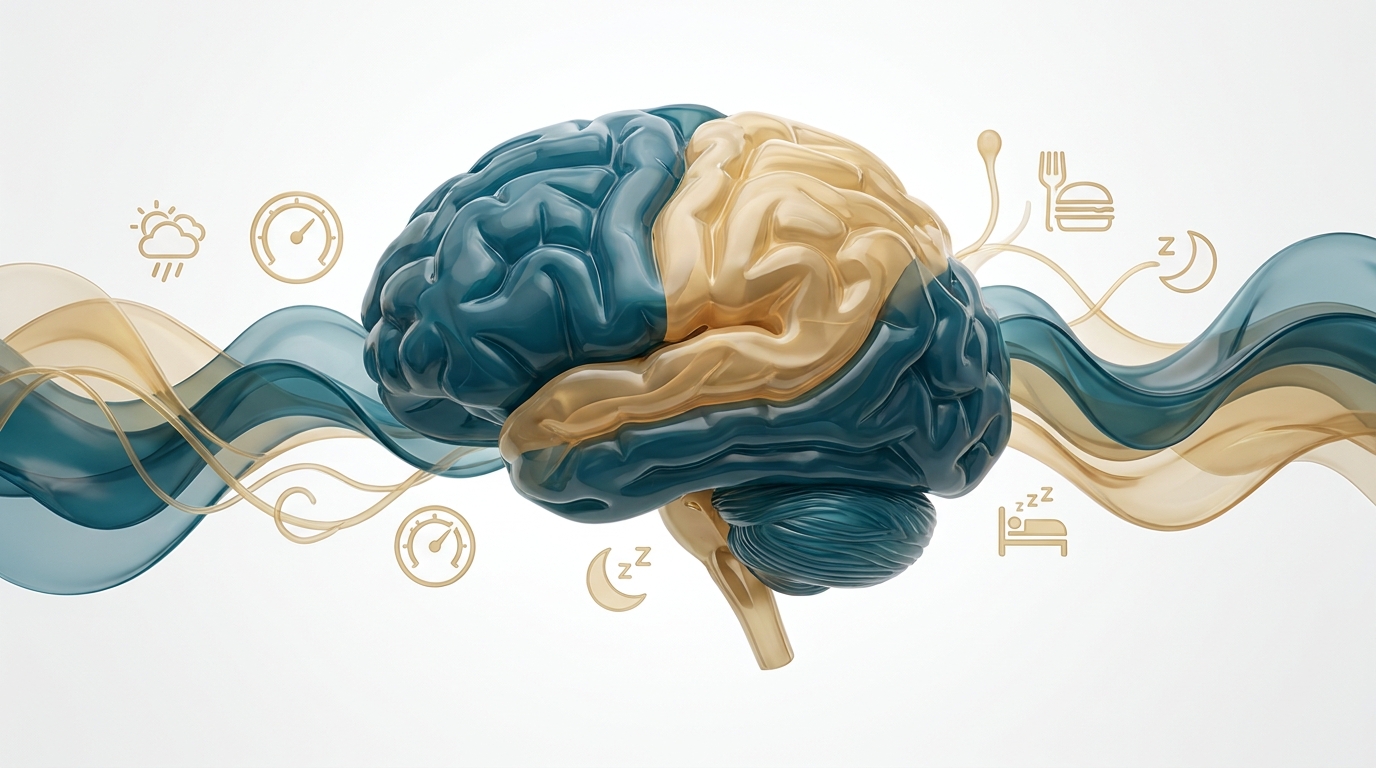
Common migraine triggers at a glance
Stress and psychological strain
Stress is considered one of the most frequently mentioned migraine triggers. Interestingly, attacks often occur not during the acute stress phase but in the subsequent relaxation phase – for instance at the weekend or at the start of a holiday. Emotional strain, conflicts or time pressure can also favour attacks.
Sleep patterns
Both too little and too much sleep can trigger a migraine. An irregular sleep-wake rhythm, frequent time changes or shift work are also among the possible triggers. A stable sleep rhythm with set times, on the other hand, can have a stabilising effect.
Hormonal changes
In many women, migraine attacks occur in clear connection with the menstrual cycle – often in the days before or at the start of menstruation. Pregnancy, the menopause or the use of hormonal contraceptives can also influence migraine activity. The drop in oestrogen levels is considered a key factor.
Diet and drinking habits
Certain foods and drinks are suspected of favouring migraine. These include, among others:
- red wine and other alcoholic drinks
- matured cheese
- chocolate and cocoa-containing products
- smoked or cured meats
- foods containing monosodium glutamate
- caffeinated drinks (both with excessive consumption and during withdrawal)
Skipping meals or insufficient fluid intake can likewise favour attacks. Regular meals and adequate water intake can therefore have a preventive effect.
Weather and environmental stimuli
Changes in the weather, föhn winds, high air pressure or strong temperature fluctuations are perceived as migraine triggers by many sufferers. Glaring or flickering light, intense smells (perfume, cleaning products, cigarette smoke) and loud noises can also play a role.
Physical factors
Overexertion, unaccustomed physical activity or tension in the neck and shoulder area are also frequently mentioned. Poor posture – for example during long periods of screen work – can also contribute to symptoms.
Medicines
Some medicines can favour migraine attacks. Paradoxically, overly frequent use of painkillers or migraine medication can also lead to so-called medication-induced headaches. It is advisable to consult your doctor in such cases.
Identifying triggers: the migraine diary
Since migraine triggers are highly individual, personal observation is a key element in managing the condition. Keeping a migraine diary over several weeks or months has proven valuable. The following should be recorded:
- date, time and duration of the attack
- intensity and type of pain
- accompanying symptoms (e.g. nausea, aura)
- meals and drinks in the preceding hours
- sleep quality and duration
- stress levels and special events
- weather conditions
- for women: day of cycle
- medicines taken
Over time, patterns can often be identified in this way. Digital migraine apps can also make recording easier. It is important not to jump to conclusions about individual factors – a suspected trigger is only confirmed if it repeatedly occurs in connection with an attack.
Avoiding triggers – but with a sense of proportion
A common misconception is to categorically avoid as many potential triggers as possible. However, an overly strict lifestyle can itself become a burden and reduce quality of life. Experts therefore recommend a balanced approach:
- specifically reduce confirmed individual triggers
- maintain a regular daily routine with set sleep and meal times
- ensure adequate fluid intake
- engage in moderate exercise (e.g. endurance sports)
- practise relaxation techniques such as progressive muscle relaxation, yoga or mindfulness exercises
- adopt a realistic approach to stress
These measures can help to reduce the frequency of attacks but do not replace medical treatment.
When medical assessment is advisable
If headaches occur frequently, very severely or for the first time in an unusual form, a medical assessment should be carried out. Professional advice is also recommended for migraine attacks that significantly affect everyday life. In addition to acute treatment, various preventive therapies are now available – from medicines and behavioural therapy to specific approaches such as treatment with botulinum toxin type A for chronic migraine. Which measure is suitable in each individual case depends on many factors and is discussed with the treating doctor.
Conclusion
Migraine is a complex condition with many facets. Engaging with one's own migraine triggers is an important step towards better understanding the condition and preventing attacks. Stress, sleep patterns, hormonal fluctuations, diet and environmental stimuli are among the most common triggers – but their effects vary from person to person. A migraine diary can help to identify personal patterns and counteract them in a targeted way. Combined with an adapted lifestyle and, where appropriate, medical therapy, the quality of life of many sufferers can be noticeably improved.
This article does not replace medical advice.