

Understanding migraine: more than just a headache
Migraine is one of the most common neurological conditions, estimated to affect around 10 to 15 per cent of the population. It is characterised by recurring, often one-sided and pulsating headaches, frequently accompanied by nausea and sensitivity to light and sound. Some people also experience a so-called aura with visual disturbances or abnormal sensations.
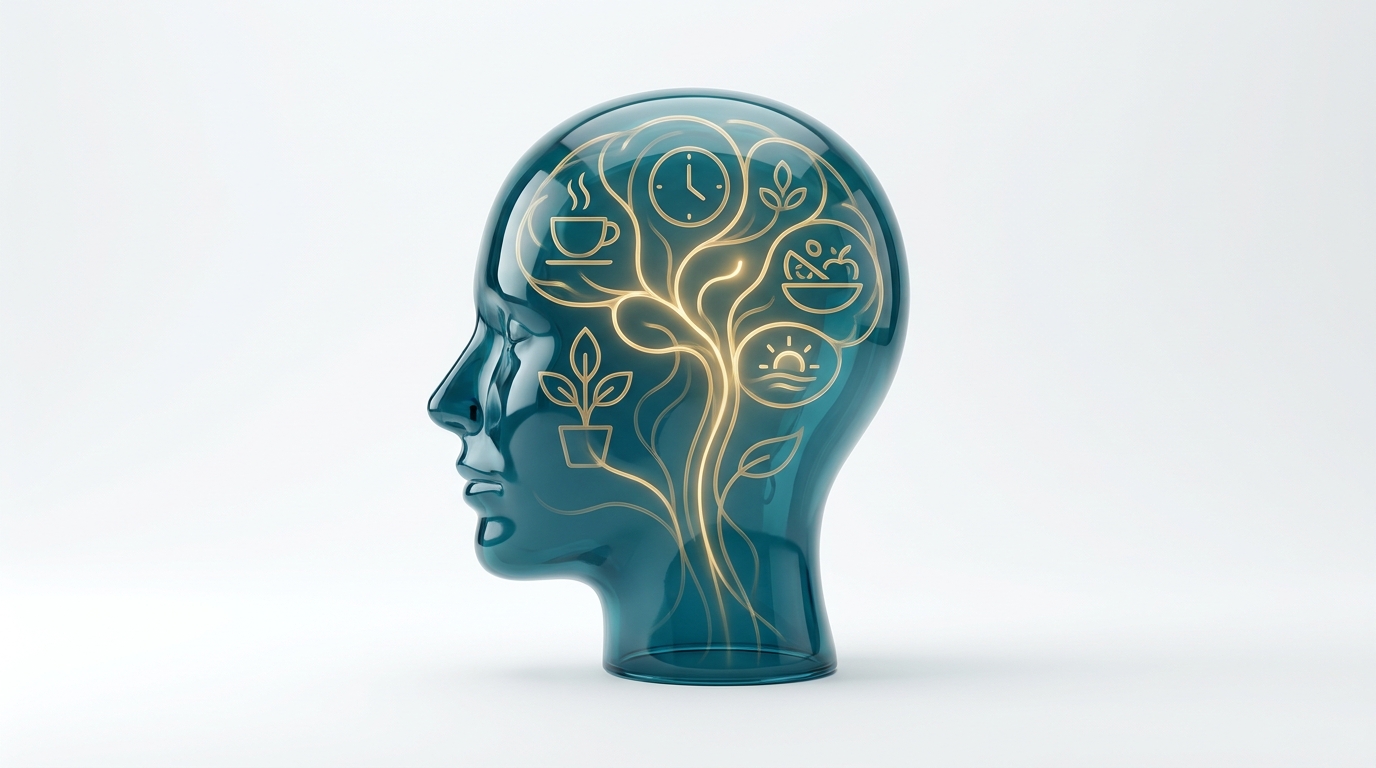
The causes of migraine are complex and not fully understood. Genetic predisposition plays a role, but so do external influences and individual lifestyle habits. This is precisely where the concept of a migraine-friendly lifestyle comes in: those who recognise their personal triggers and take them into account in everyday life can often help to make attacks less frequent or less intense.
Sleep: rhythm rather than extremes
The brain of people with migraine reacts sensitively to changes in the sleep-wake cycle. Both lack of sleep and excessively long sleep – for example at weekends – are described by many sufferers as triggers.
What can help in everyday life
- Keep sleep and wake times as regular as possible, including on days off
- A quiet, darkened sleep environment
- Reduce screen time and intense stimuli in the late evening
- Limit caffeine and alcohol consumption in the evening
- Consider a medical assessment for persistent sleep problems
A stable sleep rhythm can have a positive effect not only on migraine frequency but also on the general recovery capacity of the nervous system.
Exercise: moderate and regular
Many studies link physical activity with a reduction in migraine frequency. Finding the right balance is important: while moderate, regular endurance training is often described as helpful, sudden, very intense exertion may trigger an attack in some people.
Forms of exercise that have proven helpful
- Endurance activities such as walking, cycling or swimming
- Yoga and gentle stretching to relieve tension in the neck and shoulders
- Walks in the fresh air, ideally in daylight
- Breathing exercises and mindfulness-based movement
Around two to three training sessions per week of 30 to 45 minutes at moderate intensity are recommended. Those starting out should begin slowly and gradually increase the load. With pre-existing conditions, a prior medical assessment is advisable.
Nutrition: eat regularly, drink enough
Diet can also influence migraine. It is well established that skipped meals and a drop in blood sugar levels can trigger an attack in many sufferers. Insufficient fluid intake may also play a role.
General recommendations
- Regular meals spread throughout the day
- Drink enough – around 1.5 to 2 litres of water or unsweetened drinks daily
- A balanced mixed diet with vegetables, fruit, wholegrain products and high-quality protein sources
- Moderate alcohol consumption, particularly red wine
- Mindful use of caffeine – both excess and sudden withdrawal can be problematic
Some people report that certain foods such as mature cheese, chocolate, citrus fruits or monosodium glutamate can trigger attacks. However, individual sensitivity varies considerably. A migraine diary in which meals, sleep, stress and attacks are documented can help to identify personal patterns.
Migraine and stress: managing everyday pressure
The link between migraine and stress is one of the most commonly described triggers. Interestingly, attacks often occur during the relaxation phase after a tense period – for example at weekends or at the start of a holiday. Experts refer to this as "weekend" or "let-down" migraine.
Strategies for stress management
- Build structured breaks into the working day
- Relaxation techniques such as Jacobson's progressive muscle relaxation, autogenic training or breathing exercises
- Mindfulness and meditation exercises, possibly supported by apps or courses
- Realistic daily planning with clear priorities
- Maintain social contacts and hobbies as a counterbalance
In the case of severely stressful situations or additional psychological symptoms, psychotherapeutic support may be helpful. Behavioural therapy approaches have become established in complementary migraine treatment.
Other influencing factors in everyday life
In addition to the four core pillars of sleep, exercise, nutrition and stress, there are other factors that can play a role in everyday life with migraine:
- Screen work and posture: Tension in the neck and shoulder area is experienced by many sufferers as a migraine-promoting factor. Ergonomic workstations and regular loosening breaks can provide relief.
- Weather and environmental stimuli: Weather changes, glaring light or strong smells cannot always be avoided, but sunglasses or a quiet environment can be helpful in acute situations.
- Hormonal fluctuations: In women, there is often a link with the menstrual cycle. Here, medical advice can outline individual options.
- Fluid and electrolyte balance: Adequate intake should be ensured, particularly in hot weather, during sport or when travelling.
When a medical assessment is advisable
Even though a healthy lifestyle can positively influence many symptoms, it does not replace medical diagnosis and treatment. A medical assessment is particularly advisable in the case of:
- Newly occurring, unusual or very severe headaches
- An increase in the frequency or intensity of attacks
- Accompanying neurological symptoms
- Limited effectiveness of previous measures
- A frequent need for acute medication
In migraine care today, various components are available – ranging from acute therapy to medicinal prevention and non-medicinal procedures. Which combination is suitable should be discussed individually with a doctor.
Conclusion
Migraine can rarely be completely avoided, but a mindful approach to sleep, exercise, nutrition and stress can help to make attacks less frequent and milder. A migraine diary helps to identify personal triggers and to adapt one's routines step by step. Small but regular changes are often more effective than short-term, radical measures.
This article does not replace medical advice.