

What is osteoarthritis?
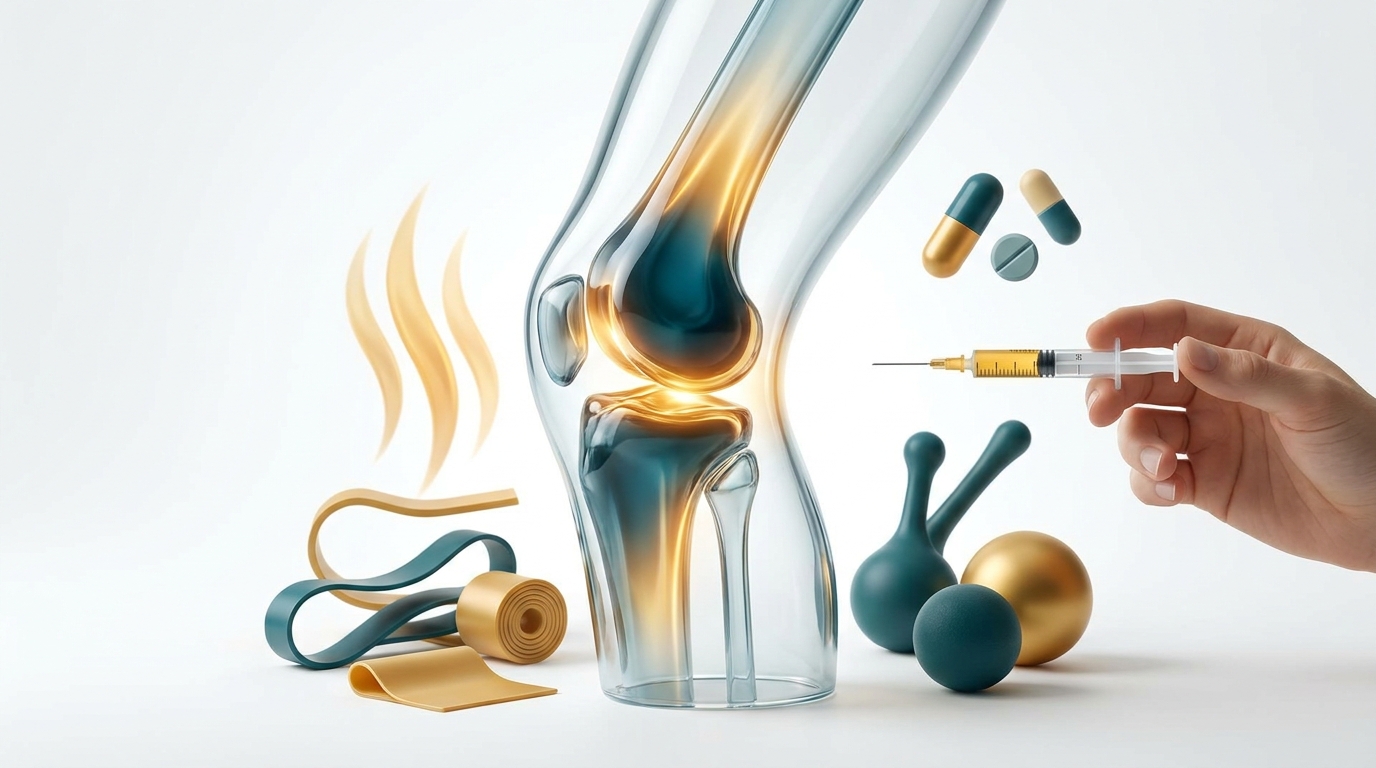
Osteoarthritis is a slowly progressing wear of the joint cartilage. The cartilage, which normally acts as a shock absorber between the bones, loses elasticity and thickness over time. As a result, the joint surfaces rub against each other more, which can lead to pain, stiffness and restricted movement. The knee, hip, shoulder and finger joints are particularly often affected.
Typical symptoms include:
- Start-up pain after periods of rest
- Joint pain that worsens with load
- Morning stiffness
- Swelling and occasional warmth
- Restricted mobility
As cartilage wear cannot currently be reversed, treatment aims to relieve symptoms, slow progression and preserve quality of life. Surgery – such as joint replacement – is usually only considered when conservative measures no longer provide sufficient relief.
Conservative pain management: the pillars of therapy
Conservative pain management for osteoarthritis rests on several building blocks that are most effective in combination. Which measures are suitable depends on the affected joint, the stage of osteoarthritis and individual factors.
1. Exercise and sport
Regular, joint-friendly exercise is considered a central component in the management of osteoarthritis pain. It improves blood flow to the joint, nourishes the cartilage via the synovial fluid and strengthens the surrounding muscles that stabilise the joint.
Particularly recommended activities include:
- Swimming and aqua aerobics
- Cycling on level ground
- Nordic walking
- Gentle strength training
- Yoga or Pilates in an adapted form
Sports involving sudden impacts or a high risk of injury – such as contact sports – should be approached with caution. A medical assessment is advisable before starting a new training programme.
2. Physiotherapy and physical therapy
Targeted physiotherapy can help correct poor posture, build muscle and improve mobility. Therapists put together individual exercise programmes that can also be continued at home.
Physical therapies can be used as a supplement:
- Heat applications (e.g. fango, heat packs) for chronic complaints
- Cold applications for acute inflammatory flare-ups
- Electrotherapy for pain relief
- Ultrasound therapy
- Manual therapy for mobilisation
3. Weight reduction and nutrition
Excess weight is a significant risk factor for osteoarthritis of the lower extremities. Every kilogram of body weight places a multiple of that load on the knee joint when walking. Moderate weight loss can therefore noticeably reduce pain.
A balanced, anti-inflammatory diet rich in vegetables, fruit, wholegrain products, high-quality plant oils and foods rich in omega-3 (e.g. fish, linseed) can be supportive. The evidence on dietary supplements such as glucosamine or chondroitin is mixed – individual advice is recommended.
4. Medicinal pain management
A range of substance groups is available to relieve osteoarthritis pain. Which medication is suitable depends on pain intensity, comorbidities and tolerability. Medical advice is essential here.
Commonly used options include:
- Paracetamol for milder pain
- Non-steroidal anti-inflammatory drugs (NSAIDs) such as ibuprofen or diclofenac, taken orally or applied as a topical preparation
- Topical pain relievers in the form of creams or gels
- In selected cases, weaker opioids under close medical supervision
Important: pain medication should not be taken long-term on one's own initiative. NSAIDs in particular can place a burden on the stomach, kidneys and cardiovascular system when used over longer periods.
5. Intra-articular injections
If oral medication and physiotherapy are not enough, injections directly into the affected joint may be an option. These are carried out under sterile conditions.
Common procedures include:
- Corticosteroid injections: can provide short-term relief from acute inflammation and severe pain. Usually only used at longer intervals.
- Hyaluronic acid injections: aim to improve joint lubrication and support the shock-absorbing function. The effect can vary between individuals.
- Platelet-rich plasma (PRP / ACP): growth factors obtained from the patient's own blood that can stimulate regenerative processes. The evidence base continues to evolve.
Which type of injection is appropriate in a given case should be discussed individually as part of a medical assessment.
6. Aids and orthopaedic devices
Aids can take pressure off the joint and thus contribute to pain relief:
- Insoles and cushioned shoes
- Bandages and orthoses
- Walking sticks or trekking poles
- Shock-absorbing heels
Ergonomic adjustments at the workplace or at home – such as raised seating – can also make daily life easier.
7. Complementary methods
Some patients additionally benefit from complementary approaches such as acupuncture, osteopathy or TENS devices (transcutaneous electrical nerve stimulation). These do not replace conventional medical treatment but may be experienced as a useful complement. An open discussion with the treating physician is advisable.
When are further steps needed?
Despite all conservative measures, osteoarthritis can progress to the point where symptoms persist or worsen. Persistent pain at rest, marked restriction of movement or a substantial loss of quality of life are indications that further options – such as surgical treatment – should be considered. An early specialist assessment helps to identify the most suitable treatment path.
Conclusion
The treatment of osteoarthritis pain is multifaceted. Exercise, physiotherapy, weight management, tailored medication and targeted injections can in combination help reduce joint pain and preserve mobility. What matters is an individually tailored plan that is regularly reviewed and adjusted.
Those who become active early have a good chance of remaining mobile and largely pain-free for a long time – without surgery necessarily becoming inevitable.
This article does not replace medical advice.