

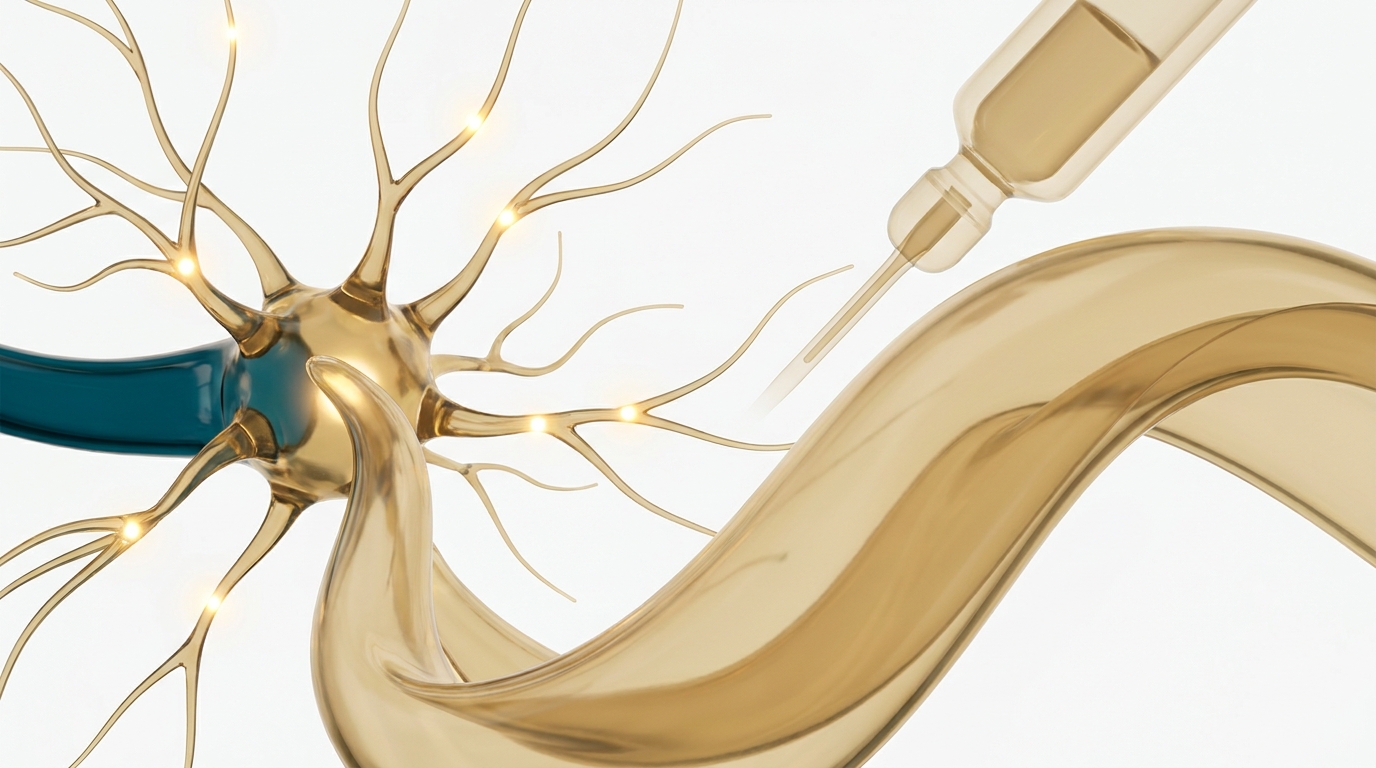
What is nerve pain?
Nerve pain – medically referred to as neuropathic pain – occurs when nerves themselves are damaged or their function is impaired. Unlike "normal" pain, which serves as a warning signal in the case of an injury or inflammation, neuropathic pain originates within the nervous system itself. It can affect individual nerves (mononeuropathy), several nerves at the same time (polyneuropathy) or the central nervous system (e.g. after a stroke).
Those affected often describe the symptoms as unusual and difficult to pin down. Typical sensations include:
- burning or stabbing pain
- tingling, a "pins and needles" feeling or the sensation of being pricked
- numbness or a furry feeling on the skin
- shooting, lightning-like pain
- increased sensitivity to touch, cold or heat
Because these symptoms can also occur at night and disturb sleep, many patients additionally suffer from exhaustion, problems with concentration and low mood.
Common causes of neuropathic pain
Nerve pain can have very different triggers. A careful medical evaluation is important in order to identify the underlying cause and treat it in a targeted way.
Metabolic disorders
One of the most common forms is diabetic polyneuropathy. Persistently elevated blood sugar levels can gradually damage nerve fibres – particularly in the feet and legs. Thyroid disorders or impaired kidney function can also contribute to nerve pain.
Nutritional deficiencies
A lack of certain vitamins, particularly vitamin B12, B1 or B6, can lead to disturbances in nerve function. Such deficiencies can occur, for example, with a one-sided diet, chronic gastrointestinal disorders or with the long-term use of certain medications.
Infections and inflammation
Viral illnesses such as shingles (herpes zoster) can leave behind what is known as post-herpetic neuralgia. Lyme disease, HIV or autoimmune processes (e.g. Guillain-Barré syndrome) are also among the possible triggers.
Mechanical irritation
If a nerve becomes compressed or pinched, this can cause typical symptoms – for example in carpal tunnel syndrome, herniated discs or sciatica.
Toxic influences and therapies
Chronic alcohol consumption causes lasting damage to nerves. Some chemotherapy treatments can also trigger polyneuropathy as a side effect.
Further causes
These include trigeminal neuralgia, phantom pain after amputations, or pain following operations and injuries. In some cases, no clear cause can be identified despite thorough investigation – this is then referred to as idiopathic neuropathy.
Diagnosis: tracking down the causes
Since treatment depends largely on the underlying cause, any meaningful therapy begins with a thorough evaluation. This includes:
- a detailed medical history regarding symptoms, pre-existing conditions and medications
- a neurological examination (reflexes, sensation, muscle strength)
- laboratory tests (e.g. blood sugar, vitamin status, thyroid values)
- electrophysiological tests such as nerve conduction studies (NCS) and electromyography (EMG)
- imaging where mechanical causes are suspected
Treating nerve pain: a multifaceted approach
The treatment of neuropathic pain is usually a combination of several components. The aim is not always complete freedom from pain, but rather noticeable relief and the preservation of function and quality of life.
Treatment based on the underlying cause
Where possible, treating the underlying condition takes priority. Examples include:
- good blood sugar control in diabetes
- correcting vitamin deficiencies
- treating an infection or inflammation
- relieving a compressed nerve, surgically if necessary
Medical therapy
Classic painkillers such as ibuprofen or paracetamol often have only limited effect on neuropathic pain. Instead, substances from other drug classes are frequently used, such as:
- certain antidepressants (e.g. amitriptyline, duloxetine) in low doses
- anticonvulsant medications such as gabapentin or pregabalin
- topical applications with patches containing lidocaine or capsaicin
- opioids in selected cases under strict medical supervision
Which therapy is suitable depends on the type and cause of the symptoms, accompanying illnesses and individual tolerance. The choice and dosage should always be guided by a doctor.
Physical and movement-based approaches
Regular exercise and physiotherapy can promote circulation and help to maintain mobility and muscle strength. Depending on the symptoms, complementary measures include:
- physiotherapy and targeted exercise
- lymphatic drainage or manual therapy
- TENS (transcutaneous electrical nerve stimulation)
- heat or cold applications
Infusion-based and interventional therapies
In certain cases, infusion treatments or targeted nerve blocks can additionally contribute to relief. Such procedures should be assessed individually at a practice experienced in pain medicine.
Psychological support
Chronic pain affects mood, sleep and everyday life. Approaches such as cognitive behavioural therapy, mindfulness exercises or relaxation techniques (e.g. progressive muscle relaxation) can help to improve coping with the symptoms.
Lifestyle and self-help
Many of those affected also benefit from simple everyday measures:
- a balanced diet with sufficient B vitamins
- avoiding alcohol and nicotine
- regular, moderate exercise
- good foot care in diabetic polyneuropathy
- comfortable footwear and protection against pressure points
Treating polyneuropathy: patience and realistic expectations
Treating polyneuropathy often requires staying power. Damaged nerves regenerate slowly, and some changes cannot be fully reversed. It is therefore all the more important to take action early, to slow progression as much as possible and to bring symptoms under control step by step.
Close coordination between the GP, neurology, pain medicine and, where appropriate, physiotherapy has proven valuable in practice. Self-help groups can also provide worthwhile support – both emotionally and through the exchange of practical experiences.
When medical advice is sensible
You should not take symptoms lightly if:
- tingling, numbness or burning persists for several weeks
- pain increases in intensity or disturbs sleep
- muscle weakness, unsteady gait or falls occur
- open areas on the feet or hands go unnoticed
Early evaluation increases the chance of identifying treatable causes and starting the right therapy.
Conclusion
Neuropathic pain is complex, but it is not a fate one has to face passively. Careful diagnosis, an individually tailored combination of medical, physical and psychological measures and a healthy lifestyle can noticeably ease symptoms and restore quality of life.
This article does not replace medical advice.